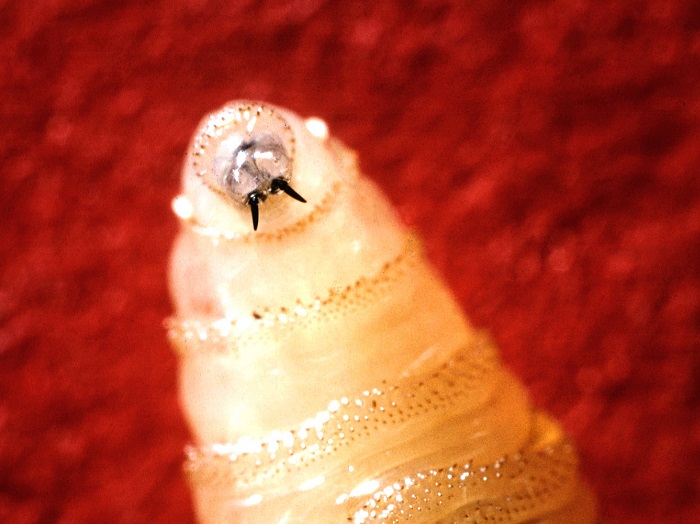

A severe agricultural and national security crisis is unfolding along the southern United States border. According to an opinion piece published by Fox News, the illicit operations of Mexican drug cartels have facilitated the reintroduction of the New World screwworm—a highly destructive, flesh-eating parasite—into the United States, threatening both the American livestock industry and national food security.
The New World screwworm, which lays eggs in the open wounds of warm-blooded animals and consumes living tissue, was eradicated from the United States over 60 years ago. However, the parasite has made a catastrophic resurgence. Driven by the collapse of biological containment barriers in Central America, smuggling networks controlled by cartels have rapidly accelerated the insect’s northward advance.
The commentary highlights a highly lucrative, $320 million annual illicit trade where cartels illegally move an estimated 800,000 head of cattle from Central America into Mexico each year.
By utilizing falsified veterinary records and counterfeit ear tags, these high-risk animals bypass sanitary checkpoints and are effectively laundered into the legitimate Mexican agricultural market. Consequently, infected livestock have carried the parasite deep into northern Mexico and across the border.
The situation has escalated into an economic standoff. The U.S. Department of Agriculture recently confirmed a screwworm case in a calf in Zavala County, Texas, forcing federal officials to halt live cattle imports from Mexico. In response, Mexican President Claudia Sheinbaum criticized the border restrictions as an “exaggerated” reaction. The authors argue that while Mexico invokes its “cooperación sin subordinación” (cooperation without subordination) doctrine to shield itself from U.S. oversight, its failure to curb cartel control over the agricultural supply chain directly exposes American food systems to severe biological vulnerability.
With Texas on the front lines, experts warn that failing to secure these trade corridors could inflict billions of dollars in damages on the domestic beef market and compromise national sovereignty.
With information from FOX News