According to information provided by the Consumer Protection Office (ODECO) Gulf North Zone, at least four businesses have already been sanctioned for this irregularity and could face fines of up to four million pesos, as stipulated in current consumer protection legislation.
Manuel Alberto Leal Villarreal, head of the ODECO Gulf North Zone, explained that this method of selling tortillas prevents people from knowing basic information about the product they are buying.
“When tortillas are offered in coolers, the weight of the product is not specified, nor is information about the production or expiration date included, which represents a violation of consumer rights,” the official stated.
Selling tortillas in coolers or makeshift containers is not only a matter of presentation, but also directly affects food safety.
Mexican Official Standards NOM-051 and NOM-187 establish specific guidelines that establishments must follow to ensure that food reaches consumers in optimal condition.
NOM-187, which specifically regulates the production and sale of corn masa and tortillas, details mandatory conditions for hygiene, resting, packaging, and storage.
These regulations aim to guarantee the safety of a food that, due to its nature and high consumption, requires special care to prevent contamination or spoilage.
When tortillas are stored in coolers, consumers lose the ability to verify:
The actual weight of the product they are buying
The date it was produced
The expiration date
The establishment’s registration number
The ingredients and potential allergens
Mexican regulations are clear regarding how basic foods like tortillas should be handled. NOM-187 establishes that points of sale must maintain sanitary conditions that prevent any type of cross-contamination or exposure to external agents.
Furthermore, NOM-051, which focuses on labeling, requires that all pre-packaged products display clear, truthful, and visible information about their contents.
In the case of tortillas sold in bulk but stored in coolers, this information is either nonexistent or inaccessible to the buyer.
Formal establishments must have adequate spaces that allow them to maintain the product’s temperature and condition, as well as display the basic commercial information that every consumer has the right to know before making a purchase.
According to consumer protection legislation, fines can reach up to four million pesos, depending on the severity of the violation, the size of the establishment, and whether there are repeat offenses.
The four businesses already sanctioned in southern Tamaulipas face administrative proceedings that will determine the final amount of the fines.
Leal Villarreal emphasized that these actions not only seek to punish, but also to correct practices that affect both consumers and responsible producers.
“The regulation establishes clear guidelines for the preservation and sale of the product. When it is sold without sanitary control or consumer information, it affects both the public and the producers who do comply,” stated the head of ODECO.
The irregular sale of tortillas creates unfair competition in the market, since establishments that invest in adequate infrastructure, staff training, and compliance with sanitary regulations are at a disadvantage compared to those who evade these obligations by reducing operating costs.
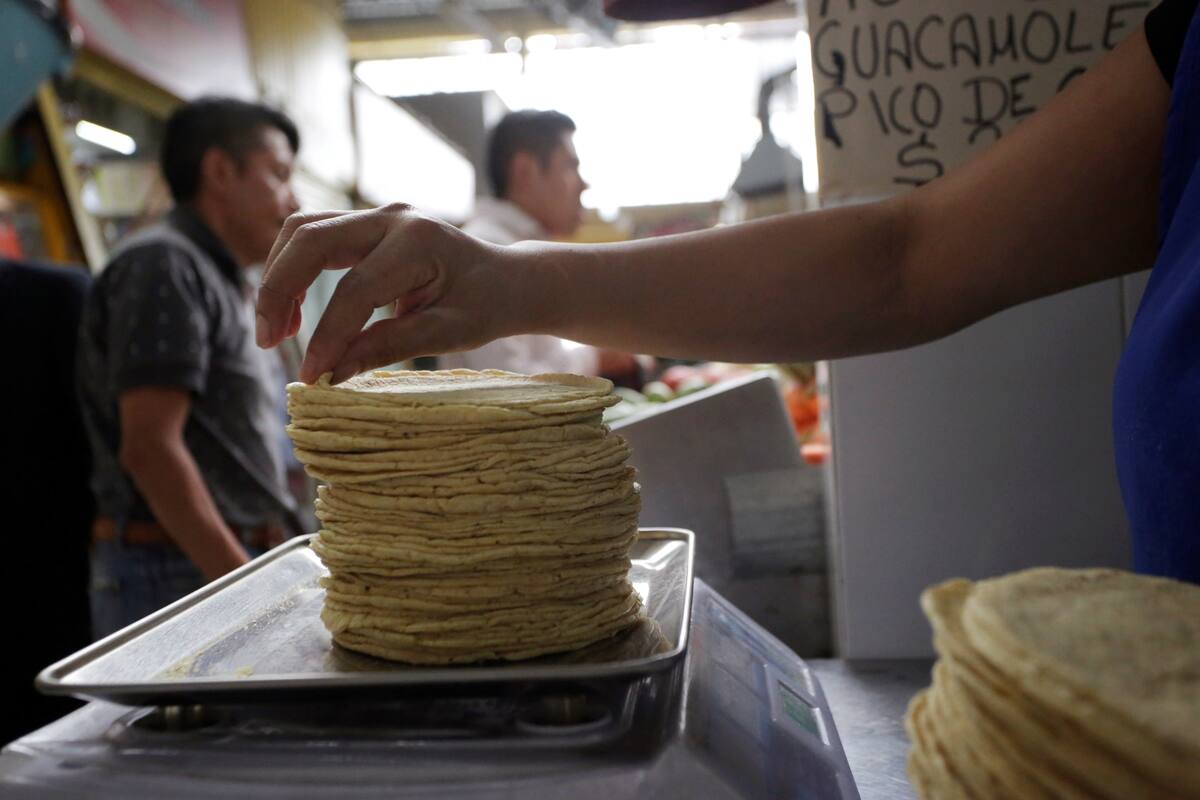
This market distortion can lead to formal businesses losing customers or being pressured to lower the quality of their products to compete with lower prices, which ultimately also affects consumers.
In Mexico, tortillas are a cornerstone of the national diet. Data from the National Tortilla Council estimates that average consumption exceeds 70 kilograms per person per year, making this food a strategic product within the popular economy.
Any irregularity in its sale directly impacts the basic food basket and the health of millions of people.
The head of the Gulf North Consumer Protection Office (ODECO) announced that the Federal Consumer Protection Agency (Profeco) is preparing surveillance operations during the Easter holiday period, focusing on hotels, restaurants, and tourism service providers in the region.
The inspections will cover 58 municipalities and will focus on recurring practices reported by consumers.
Among the irregularities most frequently reported by users during this season are:
Mandatory collection of tips without having been requested
Improper charges for card payments
Conditions placed on services or tour packages
Misleading advertising regarding promotions or prices
Refusal to provide receipts
“What we want is for consumers to receive clear information and transparent pricing, especially during peak tourist seasons,” stated Leal Villarreal.
If you identify any establishment selling tortillas stored in coolers or engaging in any of the irregular practices mentioned, you can file a complaint with Profeco through various channels:
Consumer Hotline: 55 5568 8722 and 800 468 8722
Profeco offices nearest to your home
Email: [email protected]
Profeco Mobile App
When filing your complaint, it is important to provide as much information as possible: Name and address of the establishment, date and time the incident occurred, a detailed description of the irregularity, and, if possible, photos or videos to support your complaint.
Source: elimparcial